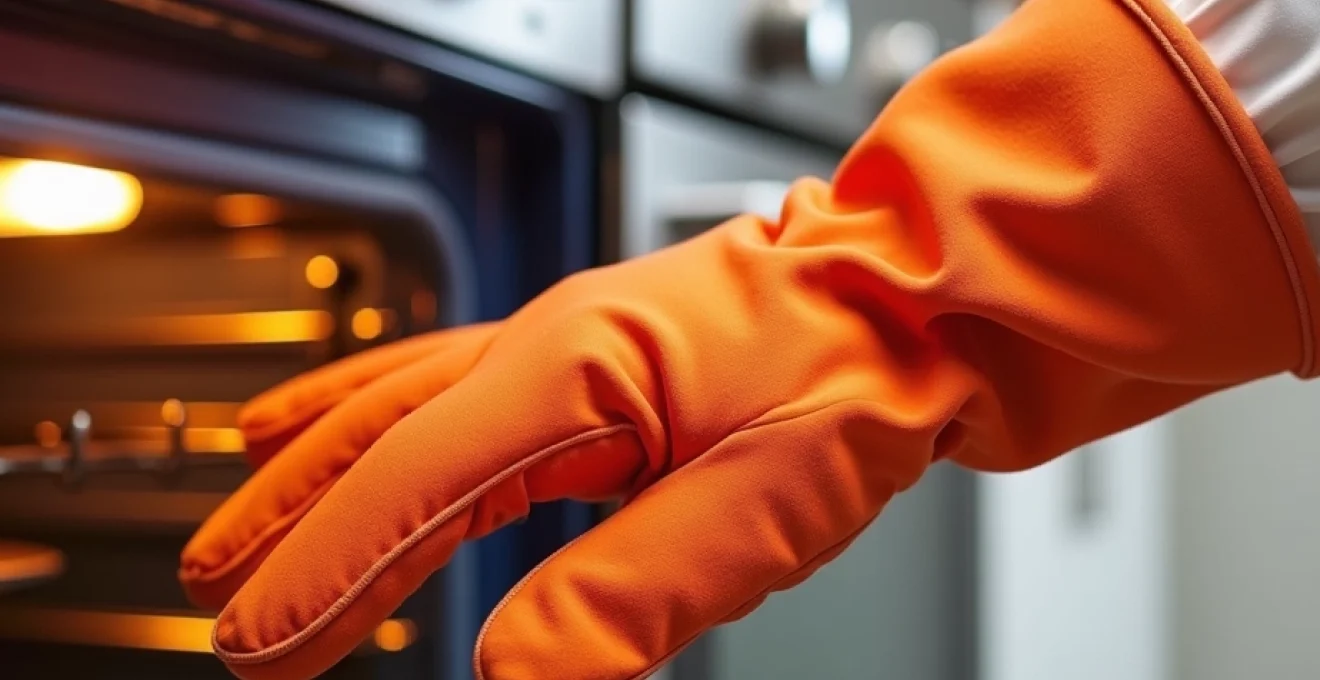
In the realm of culinary pursuits, where precision and creativity intertwine, one often overlooked element stands as a silent guardian against potential harm: the humble oven mitt. These unassuming kitchen accessories play a pivotal role in safeguarding hands and arms from the searing temperatures encountered during cooking. As temperatures in ovens can soar well above 200°C, the importance of proper hand protection cannot be overstated. Oven mitts serve as the first line of defence against burns, scalds, and other heat-related injuries that could otherwise turn a pleasant cooking experience into a painful ordeal.
The significance of oven mitts extends beyond mere comfort; they are essential tools that enable cooks to handle hot cookware with confidence and precision. Without adequate protection, the risk of dropping hot dishes or sustaining serious burns increases dramatically. This not only poses a danger to the cook but also to others in the vicinity. Moreover, the psychological assurance provided by reliable oven mitts allows chefs to focus on their culinary creations without the constant worry of potential injury.
Thermal protection mechanisms in oven mitts
The science behind oven mitt protection is a fascinating blend of materials engineering and thermodynamics. At its core, an effective oven mitt must create a barrier between the skin and the heat source, slowing down the rate of heat transfer to a manageable level. This is achieved through a combination of insulative materials and clever design principles that trap air pockets within the fabric structure.
The primary mechanism of heat protection in oven mitts relies on low thermal conductivity materials. These substances are carefully selected for their ability to resist the flow of thermal energy. By incorporating multiple layers of such materials, oven mitts create a complex path for heat to traverse before reaching the hand. This layered approach significantly increases the time it takes for heat to penetrate through the mitt, providing crucial seconds of protection when handling hot objects.
Additionally, many modern oven mitts employ reflective barriers within their construction. These thin layers of metallic or reflective materials work by bouncing radiant heat away from the hand, further enhancing the mitt’s protective capabilities. This technology is particularly effective against the intense radiant heat often encountered when opening a hot oven or working with a grill.
Materials science behind Heat-Resistant fabrics
The evolution of heat-resistant fabrics has revolutionised the design and effectiveness of oven mitts. Advanced materials science has led to the development of synthetic fibres and composites that offer unprecedented levels of thermal protection while maintaining flexibility and durability. These innovations have significantly raised the bar for kitchen safety standards.
Aramid fibers: kevlar and nomex in mitt construction
Aramid fibres, such as Kevlar and Nomex, have become staples in high-performance oven mitt construction. Originally developed for military and aerospace applications, these synthetic fibres boast exceptional heat resistance and strength-to-weight ratios. Kevlar, known for its use in bulletproof vests, provides outstanding cut resistance and durability in oven mitts. Nomex, on the other hand, excels in flame resistance and maintains its protective properties even after repeated exposure to high temperatures.
The incorporation of aramid fibres into oven mitts allows for thinner, more flexible designs without compromising on safety. This enables greater dexterity for the user, a crucial factor when handling delicate cookware or performing precise culinary tasks. The inherent strength of these fibres also contributes to the longevity of the mitts, making them a cost-effective choice for both home cooks and professional chefs.
Silicone-coated textiles for enhanced grip
Silicone has emerged as a game-changer in oven mitt design, particularly for its ability to enhance grip and provide additional heat resistance. Silicone-coated textiles offer a non-slip surface that remains effective even when wet or greasy, addressing a common safety concern in busy kitchens. The textured patterns often found on silicone-coated mitts further improve grip strength, allowing for secure handling of heavy pots and pans.
Beyond its grip-enhancing properties, silicone also contributes to the overall heat resistance of the mitt. Its low thermal conductivity helps to insulate the hand from extreme temperatures, while its flexibility allows for a comfortable fit and ease of movement. The waterproof nature of silicone also protects the inner layers of the mitt from moisture, which could otherwise compromise its insulative properties.
Neoprene and its role in temperature insulation
Neoprene, a synthetic rubber known for its use in wetsuits, has found a new calling in the world of oven mitts. Its excellent insulative properties make it an ideal material for protecting hands against a wide range of temperatures. Neoprene’s closed-cell foam structure traps tiny air bubbles, creating an effective barrier against heat transfer.
One of the key advantages of neoprene in oven mitts is its ability to maintain flexibility across a broad temperature range. This ensures that the mitt remains pliable and easy to use, even when exposed to extreme cold or heat. Additionally, neoprene’s resistance to oils and chemicals makes it well-suited for kitchen environments where spills and splatters are common occurrences.
Quilted cotton: traditional yet effective barrier
While advanced synthetic materials have dominated recent innovations in oven mitt design, quilted cotton remains a popular and effective choice for many applications. The time-tested technique of quilting multiple layers of cotton creates air pockets that serve as excellent insulators against heat. This traditional approach offers a comfortable, breathable option that performs well for moderate heat exposure.
Cotton’s natural properties, including its ability to absorb moisture without feeling wet, contribute to its enduring popularity in kitchen textiles. When combined with modern flame-retardant treatments, quilted cotton oven mitts can provide a balance of safety, comfort, and affordability. However, it’s important to note that cotton mitts typically offer less protection against extreme temperatures compared to their synthetic counterparts.
Ergonomic design principles for oven mitts
The effectiveness of an oven mitt is not solely determined by its materials; ergonomic design plays a crucial role in ensuring both safety and usability. Proper ergonomics in oven mitt design can significantly reduce the risk of accidents and improve overall kitchen efficiency. Designers must consider factors such as hand shape, range of motion, and grip strength to create mitts that function as natural extensions of the user’s hands.
Anthropometric considerations in mitt sizing
One of the most critical aspects of oven mitt design is ensuring a proper fit for a wide range of hand sizes. Anthropometric data, which provides statistical information about human body measurements, guides designers in creating mitts that accommodate the majority of users. Proper sizing is essential for maintaining dexterity and ensuring that the protective layers cover all vulnerable areas of the hand and wrist.
Manufacturers often offer oven mitts in multiple sizes or with adjustable features to cater to different hand dimensions. Some designs incorporate elasticated sections or adjustable straps to provide a snug fit across various hand shapes. This attention to sizing not only improves comfort but also enhances safety by preventing loose material that could catch on handles or come into contact with heat sources.
Flexibility vs. rigidity: balancing protection and dexterity
The ideal oven mitt strikes a delicate balance between flexibility and rigidity. While rigid materials often provide superior heat protection, they can severely limit hand movement and grip strength. Conversely, highly flexible materials may offer excellent dexterity but insufficient thermal protection. Advanced oven mitt designs address this challenge by strategically combining materials with different properties.
For instance, some mitts feature reinforced palm areas made from heat-resistant silicone or leather, while using more flexible fabrics for the back of the hand and fingers. This hybrid approach allows for a secure grip on hot cookware while maintaining the flexibility needed for fine motor skills. The use of segmented or articulated designs further enhances flexibility without compromising on protection.
Ambidextrous vs. handed designs: impact on user safety
The choice between ambidextrous and handed oven mitt designs presents both advantages and challenges from a safety perspective. Ambidextrous mitts, which can be worn on either hand, offer convenience and versatility, particularly in busy kitchen environments where multiple users may share equipment. However, this one-size-fits-all approach can sometimes result in a less precise fit, potentially compromising protection and dexterity.
Handed designs, tailored specifically for left or right hands, can provide a more ergonomic fit and better protection. These mitts often feature contoured shapes that follow the natural curves of the hand, offering improved grip and reducing fatigue during extended use. For professional kitchens or serious home cooks, investing in handed oven mitts can lead to enhanced safety and performance.
Regulatory standards and certifications for kitchen safety equipment
The importance of oven mitts in kitchen safety is underscored by the existence of rigorous regulatory standards and certifications. These guidelines ensure that oven mitts meet minimum requirements for heat resistance, durability, and overall performance. In many countries, kitchen safety equipment, including oven mitts, must comply with specific standards to be legally sold and used in commercial settings.
One of the most widely recognised standards for protective gloves is the EN 407 certification, which evaluates resistance to contact heat, convective heat, radiant heat, small splashes of molten metal, and large quantities of molten metal. This comprehensive testing regime assesses the glove’s performance across various heat-related hazards commonly encountered in kitchen environments.
In the United States, the Occupational Safety and Health Administration (OSHA) provides guidelines for personal protective equipment in commercial kitchens, which include specifications for heat-resistant gloves and mitts. Compliance with these standards not only ensures legal adherence but also provides peace of mind for both employers and employees in professional culinary settings.
Adherence to regulatory standards is not just a legal requirement; it’s a commitment to the safety and well-being of kitchen staff and home cooks alike.
For consumers, looking for certifications and compliance with industry standards when purchasing oven mitts can provide assurance of quality and performance. Many manufacturers prominently display their certifications on packaging or product descriptions, making it easier for buyers to make informed decisions about their kitchen safety equipment.
Thermal conductivity analysis of common oven mitt materials
Understanding the thermal conductivity of materials used in oven mitts is crucial for assessing their effectiveness in protecting against heat. Thermal conductivity, measured in watts per meter-kelvin (W/(m·K)), quantifies a material’s ability to conduct heat. In the context of oven mitts, lower thermal conductivity values are desirable, as they indicate better insulation properties.
Comparative heat transfer rates: silicone vs. fabric mitts
Silicone and fabric mitts represent two distinct approaches to hand protection, each with its own thermal characteristics. Silicone, with its thermal conductivity ranging from 0.1 to 0.3 W/(m·K), offers excellent resistance to heat flow. This low conductivity, combined with silicone’s ability to withstand high temperatures without degradation, makes it an effective choice for oven mitts.
Fabric mitts, typically made from materials like cotton or synthetic blends, rely on trapped air pockets within their structure to provide insulation. The thermal conductivity of air (approximately 0.024 W/(m·K) at room temperature) is significantly lower than that of most solid materials, making these air gaps crucial for heat resistance. However, the overall thermal performance of fabric mitts can vary widely depending on factors such as weave density, thickness, and the presence of additional insulative layers.
| Material | Thermal Conductivity (W/(m·K)) | Heat Resistance |
|---|---|---|
| Silicone | 0.1 – 0.3 | Excellent |
| Cotton (quilted) | 0.03 – 0.05 | Good |
| Aramid fibers | 0.02 – 0.04 | Very Good |
| Neoprene | 0.1 – 0.2 | Very Good |
Maximum temperature thresholds for various mitt types
The maximum temperature threshold of an oven mitt is a critical factor in determining its suitability for different cooking tasks. This threshold represents the highest temperature at which the mitt can maintain its protective properties without risking user safety. It’s important to note that these thresholds often refer to short-term exposure, as prolonged contact with extremely hot surfaces can eventually overcome even the best insulation.
High-performance oven mitts made with advanced materials like aramid fibres or silicone-coated fabrics can typically withstand temperatures up to 500°C (932°F) for brief periods. This makes them suitable for handling items directly from hot ovens or grills. Standard fabric mitts, particularly those made from untreated cotton, generally have lower temperature thresholds, often around 200-250°C (392-482°F), making them more appropriate for moderate-heat tasks.
Longevity and degradation of insulative properties over time
The effectiveness of oven mitts can diminish over time due to wear and tear, exposure to high temperatures, and repeated washing. Understanding how different materials degrade can help users maintain optimal protection and know when to replace their mitts.
Silicone mitts tend to maintain their insulative properties well over time, as silicone is resistant to heat degradation and doesn’t break down easily. However, they may lose some of their flexibility or develop cracks if subjected to extreme temperature fluctuations or physical stress.
Fabric mitts, particularly those made from natural fibres like cotton, can experience more noticeable degradation. Repeated exposure to high heat can cause fibres to become brittle and less effective at trapping insulating air pockets. Additionally, the compressing of insulative layers through use and washing can reduce their heat-resistant capabilities.
Regular inspection and timely replacement of oven mitts are essential practices for maintaining kitchen safety standards.
To extend the life of oven mitts, users should follow care instructions carefully, avoid exposing them to direct flames or extreme heat for prolonged periods, and store them in a cool, dry place. Some manufacturers recommend replacing oven mitts every 6-12 months in high-use environments to ensure consistent protection.
Specialized oven mitts for extreme temperature environments
While standard oven mitts suffice for most kitchen tasks, certain culinary techniques and industrial applications require specialised protection against extreme temperatures. These high-performance mitts are engineered to withstand temperatures far beyond those encountered in conventional cooking, making them essential for tasks such as wood-fired pizza making, barbecuing, or working with industrial ovens.
One example of such specialised gear is the cryogenic glove , designed for handling ultra-cold materials like liquid nitrogen in molecular gastronomy. These gloves use advanced insulation techniques to protect hands from temperatures as low as -196°C (-320.8°F). On the opposite end of the spectrum, mitts designed for high-temperature foundry work can withstand brief contact with surfaces exceeding 1000°C (1832°F).
The materials used in these extreme-temperature mitts often include advanced composites and multi-layer constructions. For instance, some high-heat mitts incorporate aluminised fabrics that reflect radiant heat, combined with insulative layers of aerogel or ceramic fibres. These sophisticated designs allow for extended use in environments that would quickly overwhelm conventional oven mitts.
When selecting mitts for extreme temperature applications, it’s crucial to consider not only the maximum temperature rating but also factors such as duration of exposure, type of heat (radiant, conductive, or convective), and the specific tasks to be performed. Proper training in the use of specialised protective gear is essential to ensure safety in these demanding environments.
The world of oven mitts and heat-resistant hand protection continues to evolve, driven by advancements in materials science and a growing understanding of thermal dynamics. As culinary techniques push the boundaries of temperature manipulation, the importance of reliable, high-
performance protective gear is paramount. The ongoing research and development in this field promise even more advanced solutions for thermal protection in the future.
Specialized oven mitts for extreme temperature environments
In addition to high-heat applications, specialized oven mitts are also designed for prolonged exposure to moderate temperatures. These mitts often incorporate phase-change materials (PCMs) that absorb and release thermal energy to maintain a stable temperature inside the glove. This technology allows for extended use in environments like commercial bakeries or food processing plants where continuous heat exposure is a concern.
Another innovation in specialized oven mitts is the integration of smart textiles. These fabrics can change their insulative properties in response to temperature variations, providing dynamic protection. Some advanced mitts even incorporate sensors that alert the user when the internal temperature approaches unsafe levels, adding an extra layer of safety in high-risk environments.
For tasks requiring fine motor skills in extreme temperatures, manufacturers have developed hybrid designs that combine the dexterity of thin, heat-resistant fabrics with the added protection of removable outer shells. This modular approach allows users to adapt their hand protection to specific tasks without compromising on safety or performance.
The development of specialized oven mitts also extends to addressing ergonomic concerns in extreme environments. Features such as enhanced grip patterns designed to maintain effectiveness at high temperatures, reinforced stress points to prevent failure during heavy lifting, and moisture-wicking liners to improve comfort during extended wear are becoming standard in high-performance mitts.
As culinary techniques and industrial processes continue to push the boundaries of temperature manipulation, the demand for increasingly specialized and effective hand protection grows. This ongoing evolution in oven mitt technology not only enhances safety but also enables innovation in fields ranging from gastronomy to materials science, demonstrating the far-reaching impact of these seemingly simple protective devices.