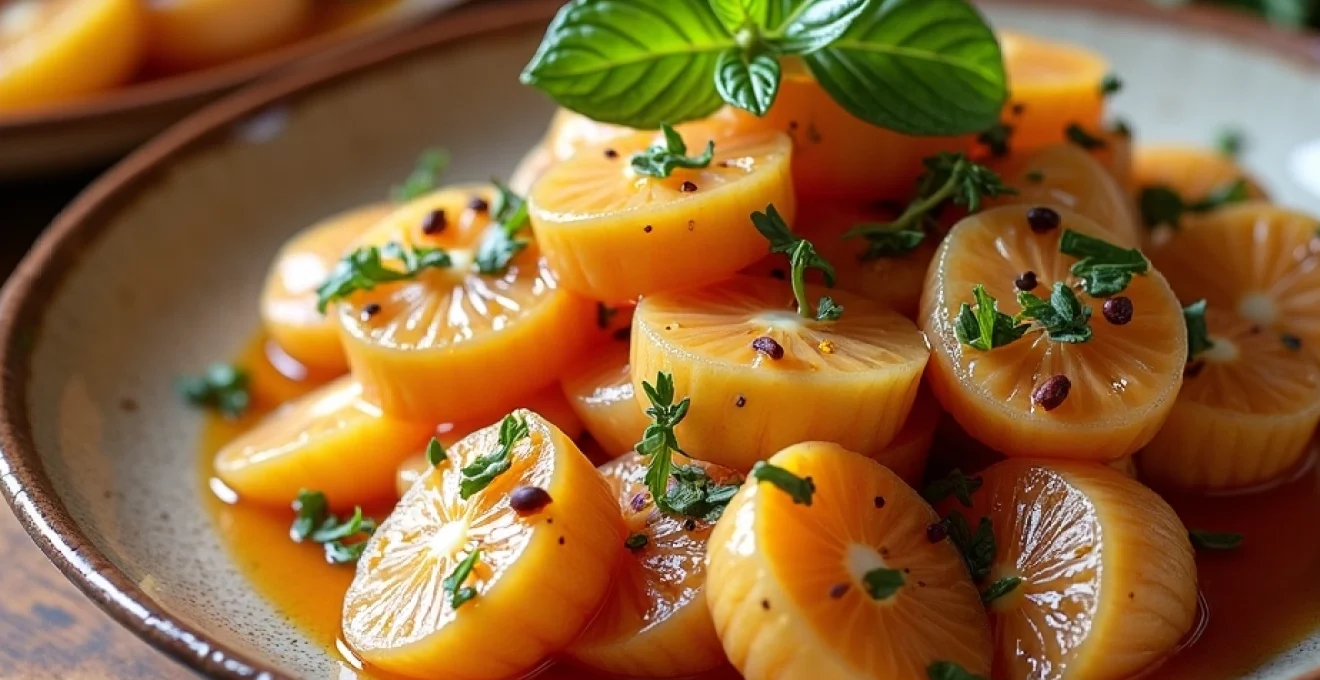
Escabèche, a culinary technique with roots in Mediterranean cuisine, has found a special place in French gastronomy. This method of preserving and flavoring food, particularly seafood, has evolved into a versatile and beloved part of French cooking. From coastal regions to inland areas, escabèche has been adapted and refined, reflecting the diverse culinary landscape of France.
Origins and evolution of french escabèche technique
The escabèche technique arrived in France through cultural exchanges with Spain and the Mediterranean region. Originally a method for preserving fish, it quickly became appreciated for its ability to impart complex flavors. French chefs embraced this technique, adapting it to suit local tastes and ingredients.
In its early French iterations, escabèche primarily focused on seafood, particularly oily fish like mackerel and sardines. The acidic marinade not only preserved the fish but also cut through its richness, creating a balanced and flavorful dish. Over time, French chefs began experimenting with different vinegars, herbs, and spices, developing regional variations that reflected local culinary traditions.
The evolution of French escabèche also saw its application beyond seafood. Vegetables, poultry, and even game meats found their way into escabèche preparations, showcasing the technique’s versatility. This expansion of ingredients allowed escabèche to become a year-round culinary staple, adaptable to seasonal produce and regional specialties.
Regional variations of escabèche across france
As escabèche spread throughout France, it took on distinct characteristics in different regions. Each area adapted the technique to local ingredients and tastes, resulting in a diverse array of escabèche preparations across the country.
Provençal escabèche: mediterranean influences
In Provence, escabèche reflects the region’s Mediterranean heritage. Here, you’ll find escabèche infused with olive oil, fragrant herbs like thyme and rosemary, and often featuring local fish such as red mullet or sea bass. Provençal escabèche might also incorporate sun-dried tomatoes or olives, adding a distinctly southern French flavor profile.
The sunny climate of Provence influences not only the ingredients but also the preparation methods. Provençal chefs often use lighter vinegars and include more fresh herbs, creating a brighter, more aromatic escabèche that pairs well with the region’s crisp white wines.
Basque country’s escabèche: atlantic coast adaptations
In the Basque region, straddling the French-Spanish border, escabèche takes on a unique character. Here, the technique is often applied to tuna, anchovies, or salt cod. Basque escabèche frequently incorporates piment d’Espelette , a locally grown chili pepper that adds a subtle heat and distinctive flavor.
Basque escabèche preparations might also include regional vegetables like piperade , a mixture of onions, peppers, and tomatoes. This creates a heartier dish that reflects the robust flavors favored in this coastal region.
Burgundian escabèche: inland freshwater fish preparations
Moving inland to Burgundy, escabèche adapts to the region’s abundance of freshwater fish. Pike, perch, and carp are common choices for Burgundian escabèche. The marinade often incorporates local white wine vinegars and Dijon mustard, creating a distinctly Burgundian flavor profile.
Burgundian chefs might also add local herbs like chervil or tarragon to their escabèche, complementing the delicate flavors of freshwater fish. This regional variation showcases how escabèche can be adapted to inland cuisines, far from its coastal origins.
Alsatian escabèche: Germanic-Influenced pickling methods
In Alsace, a region with strong Germanic influences, escabèche takes on yet another character. Here, the technique might be applied to freshwater fish like trout or to vegetables like carrots and onions. Alsatian escabèche often uses white wine vinegar and incorporates spices like juniper berries or caraway seeds, reflecting the region’s distinctive culinary traditions.
Alsatian escabèche preparations might also include local wines like Riesling in the marinade, adding depth and complexity to the dish. This regional variation demonstrates how escabèche has been fully integrated into local culinary traditions, even in areas far from its Mediterranean roots.
Essential ingredients in traditional french escabèche
While regional variations abound, certain ingredients form the backbone of traditional French escabèche. Understanding these key components helps you appreciate the technique’s versatility and enables experimentation while maintaining the essence of escabèche.
Vinegar selection: from champagne to sherry varieties
The choice of vinegar is crucial in escabèche, as it provides the foundation of the marinade. French chefs use a variety of vinegars, each imparting its own character to the dish. Champagne vinegar offers a delicate, refined acidity, while sherry vinegar brings a nuttier, more complex flavor.
White wine vinegar is a popular choice for its clean, crisp acidity. Some chefs prefer red wine vinegar for heartier preparations, particularly with game or red meats. The vinegar not only preserves the food but also tenderizes it, making it an essential component of the escabèche technique.
Aromatic herbs: thyme, bay leaf, and tarragon usage
Herbs play a crucial role in French escabèche, adding depth and complexity to the marinade. Thyme, with its earthy, slightly minty flavor, is a common choice. Bay leaf adds a subtle, tea-like aroma, while tarragon brings a distinctive anise-like flavor that pairs particularly well with fish and poultry.
Other herbs like parsley, chervil, or cilantro might be used depending on the region and the chef’s preference. These aromatic additions not only flavor the food but also infuse the marinade, creating a more complex overall taste profile.
Oil choices: olive oil vs. neutral alternatives
The choice of oil in escabèche can significantly impact the final flavor. Olive oil is a traditional choice, particularly in southern France, adding its own fruity notes to the dish. However, some chefs prefer neutral oils like grapeseed or sunflower oil, especially when they want the flavors of the vinegar and herbs to take center stage.
The oil serves multiple purposes in escabèche. It helps to carry flavors, creates a barrier that slows down the vinegar’s penetration into the food, and adds richness to the overall dish. The choice between olive oil and neutral alternatives often depends on the specific ingredients being used and the desired flavor profile.
Spice blends: peppercorns, coriander, and fennel seeds
Spices add another layer of flavor to French escabèche. Whole peppercorns are almost always included, providing a gentle heat that develops over time. Coriander seeds add a citrusy, slightly nutty flavor, while fennel seeds contribute a subtle anise note that complements many types of fish and vegetables.
Other spices might include mustard seeds, cumin, or even saffron in some regional variations. The key is to use whole spices where possible, as they release their flavors slowly into the marinade without overpowering the other ingredients.
Culinary applications: beyond fish in french escabèche
While escabèche is traditionally associated with fish, French chefs have expanded its application to a wide range of ingredients. This versatility has allowed escabèche to become a year-round technique, adaptable to seasonal produce and regional specialties.
Vegetable escabèche: artichokes, mushrooms, and bell peppers
Vegetable escabèche has become increasingly popular in French cuisine, offering a flavorful way to preserve seasonal produce. Artichokes, with their meaty texture, take well to the escabèche treatment, absorbing the marinade’s flavors while retaining their distinctive taste.
Mushrooms, particularly firm varieties like porcini or chanterelles, make excellent escabèche. Their earthy flavors are enhanced by the vinegar and herbs, creating a versatile side dish or appetizer. Bell peppers, when prepared as escabèche, offer a sweet and tangy addition to salads or antipasti platters.
Poultry escabèche: duck and quail preparations
French chefs have successfully applied the escabèche technique to poultry, particularly game birds. Duck escabèche is a popular preparation in regions like the Southwest, where the rich meat is balanced by the acidity of the marinade. The fat from the duck skin also helps to carry the flavors of the herbs and spices.
Quail escabèche offers a delicate alternative, with the small birds absorbing the marinade quickly. This preparation is often served cold as part of a charcuterie board or as an elegant starter. The escabèche technique helps to tenderize the meat while imparting complex flavors.
Shellfish escabèche: mussels and langoustine techniques
Shellfish lend themselves particularly well to escabèche preparations. Mussels escabèche is a classic dish, with the bivalves quickly cooked before being marinated. The marinade not only flavors the mussels but also creates a delicious sauce that’s perfect for dipping bread.
Langoustine escabèche offers a luxurious twist on the technique. These delicate crustaceans are briefly cooked and then marinated, resulting in tender, flavorful meat that’s often served as part of a seafood platter or as an elegant appetizer.
Modern interpretations of escabèche in french haute cuisine
Contemporary French chefs have embraced escabèche, reinterpreting the technique for modern palates. In haute cuisine, you might find escabèche used as a component of more complex dishes, rather than as a standalone preparation. For example, a fillet of sea bass might be served with a side of vegetable escabèche, offering contrasting textures and temperatures on the plate.
Some chefs are experimenting with non-traditional ingredients in their escabèche preparations. Exotic fruits like mango or papaya might be incorporated into the marinade, creating fusion dishes that blend French technique with international flavors. Others are playing with texture, using molecular gastronomy techniques to create escabèche foams or gels that accompany more traditional preparations.
The versatility of escabèche has also led to its inclusion in tasting menus, where it might appear in multiple courses, each showcasing a different application of the technique. This approach allows chefs to demonstrate their creativity while paying homage to a traditional French culinary method.
Preservation techniques and food safety in escabèche production
While escabèche was originally developed as a preservation method, modern food safety standards require careful attention to preparation and storage. Professional chefs and home cooks alike must be aware of the potential risks associated with marinating foods, particularly when it comes to seafood and poultry.
Temperature control is crucial in escabèche preparation. Ingredients should be cooked thoroughly before marinating, and the marinade itself should be cooled before being added to the cooked food. Once prepared, escabèche dishes should be refrigerated promptly and consumed within a few days.
For commercial production, French food safety regulations require strict adherence to HACCP (Hazard Analysis and Critical Control Points) principles. This ensures that escabèche products are safe for consumption, whether sold in restaurants or as packaged goods in stores.
Despite these modern considerations, the fundamental technique of escabèche remains a testament to the ingenuity of traditional French cuisine. Its ability to preserve food while enhancing flavor continues to make it a valuable and beloved part of France’s culinary heritage.