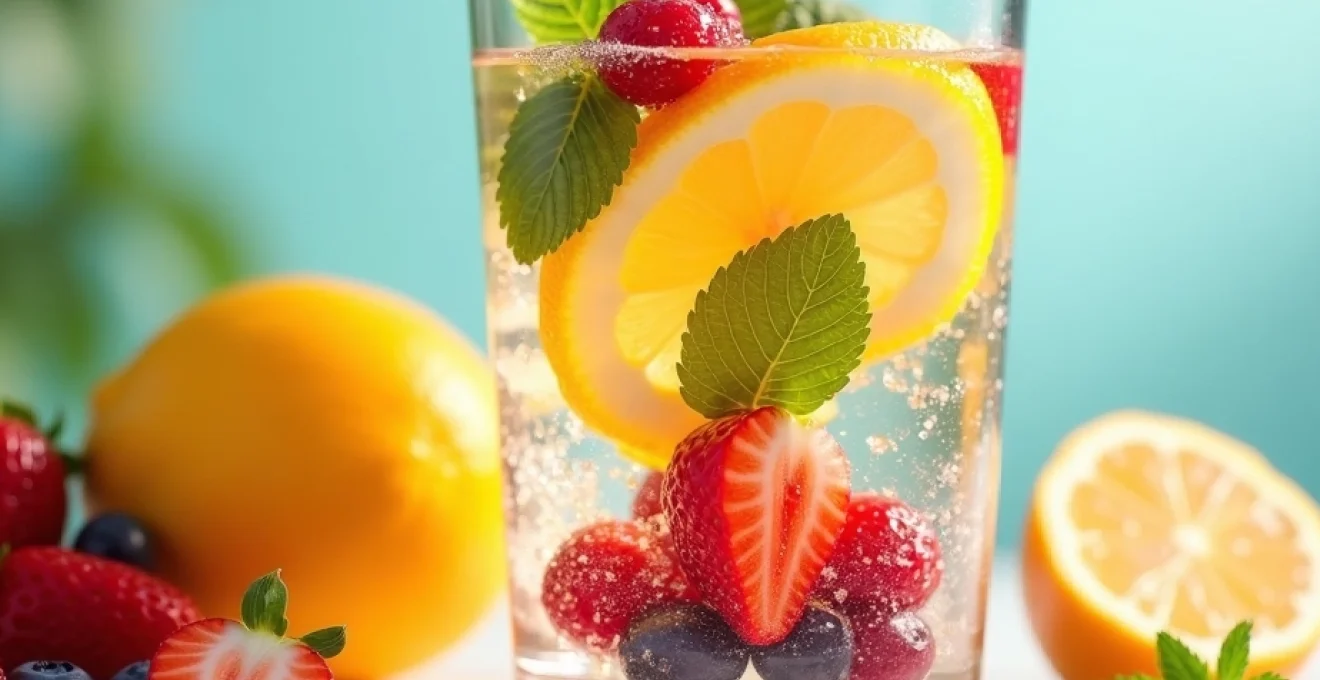
Fruit-infused water is a delightful and healthy way to stay hydrated while enjoying subtle, natural flavours. This refreshing beverage has gained popularity for its ability to make water more appealing and encourage increased fluid intake. By combining fresh fruits, herbs, and sometimes vegetables with water, you can create a myriad of tasty combinations that not only quench your thirst but also provide additional nutritional benefits.
The art of infusing water with fruit is both simple and versatile, allowing for endless creativity in flavour combinations. Whether you’re looking to add a spa-like touch to your daily routine or seeking a healthier alternative to sugary drinks, fruit-infused water offers a perfect solution. Let’s dive into the world of fruit-infused waters and discover how to create these refreshing concoctions at home.
Essential equipment for Fruit-Infused water preparation
Before embarking on your fruit-infused water journey, it’s important to have the right tools at hand. While the process is relatively straightforward, having the proper equipment can make preparation easier and more efficient. Here are the key items you’ll need:
- A large glass pitcher or mason jar
- A long-handled wooden spoon for mixing
- A fine-mesh strainer or cheesecloth
- A sharp knife and cutting board
- Airtight storage containers for leftovers
The choice of container is particularly important. Glass is preferable to plastic as it doesn’t absorb flavours or odours, ensuring your infusions remain pure and untainted. A pitcher with a built-in infuser can be a convenient option, allowing for easy separation of fruit and water when serving.
Additionally, consider investing in a water filter to ensure the base of your infusions is clean and free from impurities that could affect the taste. Filtered water can significantly enhance the flavour profile of your infusions, allowing the natural fruit essences to shine through.
Selecting and preparing fruits for optimal infusion
The quality and preparation of your fruits are crucial factors in creating delicious infused waters. Always opt for fresh, ripe fruits that are in season for the best flavour. Organic produce is ideal to avoid any pesticides or chemicals that might leach into your water.
When selecting fruits, look for those that are firm and without blemishes. The ripeness of the fruit will directly impact the intensity of flavour in your infusion. Here’s a guide to preparing some common fruits for infusion:
Citrus fruits: lemon, lime, and orange techniques
Citrus fruits are excellent choices for infused water due to their strong, refreshing flavours and high vitamin C content. To prepare citrus fruits:
- Wash the fruit thoroughly to remove any wax or residue
- Slice the fruit into thin wheels, about 1/4 inch thick
- Remove any visible seeds to prevent bitterness
- Gently squeeze the slices to release some juice before adding to water
For a more intense flavour, you can also include some of the zest, but be cautious not to add too much as it can make the water bitter. Citrus fruits work well in combination with herbs like mint or basil for a complex flavour profile.
Berry infusions: strawberries, blueberries, and raspberries
Berries add a beautiful colour and subtle sweetness to infused waters. They’re also packed with antioxidants, making them a healthy choice. To prepare berries:
- Rinse berries gently under cool water
- For strawberries, remove the stems and slice into quarters
- Leave blueberries and raspberries whole
- Lightly mash a few berries to release more flavour
Berries tend to break down quickly in water, so they’re best used for short infusion times or in smaller quantities. Combining different types of berries can create a delightful mixed berry flavour that’s both refreshing and visually appealing.
Tropical fruit additions: pineapple and mango methods
Tropical fruits can transport your taste buds to a sunny paradise with their sweet and exotic flavours. To prepare tropical fruits:
- Peel and core pineapples, then cut into small chunks
- For mangoes, remove the skin and pit, then slice the flesh
- Consider grilling pineapple chunks for a caramelized flavour
- Freeze mango pieces for a longer-lasting infusion
Tropical fruits pair well with coconut water as a base, creating a naturally sweet and hydrating beverage. Adding a splash of lime juice can help balance the sweetness and add a zesty kick to your tropical infusion.
Herb pairings: mint, basil, and rosemary combinations
Herbs can add depth and complexity to fruit-infused waters, creating sophisticated flavour profiles. To incorporate herbs:
- Gently rinse herbs to remove any dirt
- Lightly bruise leaves to release essential oils
- Use whole sprigs for easy removal or finely chop for stronger infusion
- Experiment with combinations like strawberry-basil or lemon-rosemary
Remember that herbs can quickly overpower other flavours, so start with a small amount and adjust to taste. Fresh herbs are preferable to dried ones for infused waters, as they provide a cleaner, more vibrant flavour.
Step-by-step infusion process for maximum flavour
Creating the perfect fruit-infused water is a simple process, but attention to detail can elevate your drink from good to exceptional. Follow these steps to ensure maximum flavour extraction and a refreshing result:
Cold infusion vs. hot infusion techniques
There are two primary methods for infusing water with fruit: cold and hot infusion. Each has its advantages:
Cold Infusion : This method involves adding fruit to room temperature or cold water and allowing it to infuse slowly, typically in the refrigerator. Cold infusion preserves the delicate flavours of fruits and herbs, resulting in a subtle and refreshing drink. It’s ideal for berries, melons, and citrus fruits.
Hot Infusion : For this technique, fruits are added to hot (not boiling) water, which speeds up the infusion process. Hot infusion works well for harder fruits like apples or for extracting flavours from spices like cinnamon or ginger. However, it can alter the taste of more delicate ingredients.
Optimal Fruit-to-Water ratios for balanced taste
Achieving the right balance of fruit to water is crucial for a well-flavoured infusion. As a general rule, use the following ratios:
| Fruit Type | Amount per 1 Litre of Water |
|---|---|
| Citrus (lemon, lime, orange) | 1-2 medium fruits, sliced |
| Berries | 1 cup, whole or halved |
| Tropical fruits (pineapple, mango) | 1 cup, cubed |
| Herbs | 4-5 sprigs or 1/4 cup loose leaves |
These ratios provide a starting point, but feel free to adjust based on personal preference and the intensity of the fruits used. Remember, you can always add more fruit if the flavour is too weak, but it’s harder to dilute an overly strong infusion.
Infusion time guidelines for various fruits
The duration of infusion greatly affects the final flavour of your water. Here are some general guidelines:
- Citrus fruits: 2-4 hours
- Soft fruits (berries, melon): 1-2 hours
- Hard fruits (apples, pears): 4-6 hours
- Herbs: 1-2 hours (to avoid bitterness)
For overnight infusions, remove herbs after the first hour to prevent overpowering flavours. Citrus fruits can be left longer but may start to impart a bitter taste from the pith if infused for more than 12 hours.
Straining and serving methods for clear infusions
Once your water has infused to your desired strength, it’s time to strain and serve. Follow these steps for the best results:
- Remove large fruit pieces with a slotted spoon
- Pour the infused water through a fine-mesh strainer or cheesecloth
- For extra clarity, strain a second time if necessary
- Serve over ice for immediate consumption
- Store any leftovers in an airtight container in the refrigerator
For a visually appealing presentation, consider adding a few fresh fruit slices or herb sprigs to each glass before serving. This not only enhances the appearance but also provides a burst of fresh flavour with each sip.
Creative Fruit-Infused water recipes
Now that you’ve mastered the basics of fruit infusion, it’s time to explore some creative combinations that will tantalize your taste buds and keep you coming back for more. Here are four delightful recipes to get you started:
Cucumber-mint refresher: A Spa-Inspired blend
This classic combination is reminiscent of luxurious spa waters and offers a cool, refreshing taste perfect for hot summer days.
- 1/2 cucumber, thinly sliced
- 10-12 fresh mint leaves
- 1 litre filtered water
- Optional: 1 thinly sliced lemon for added zest
Gently muddle the mint leaves to release their oils before adding to the water along with the cucumber slices. Infuse for 2-3 hours in the refrigerator. The result is a crisp, invigorating drink that’s both hydrating and palate-cleansing.
Citrus medley: grapefruit, orange, and lemon fusion
This vibrant citrus blend provides a boost of vitamin C and a tangy flavour profile that’s sure to awaken your senses.
- 1/2 grapefruit, sliced
- 1/2 orange, sliced
- 1/2 lemon, sliced
- 1 litre filtered water
- Optional: A few sprigs of fresh thyme
Combine all citrus slices in your infusion container and add water. Let it infuse for 2-4 hours. The grapefruit adds a pleasant bitterness that balances the sweetness of the orange, while the lemon provides a bright, zesty note.
Berry blast: mixed berry and basil infusion
This antioxidant-rich infusion combines the sweetness of berries with the aromatic touch of basil for a sophisticated flavour combination.
- 1/2 cup mixed berries (strawberries, blueberries, raspberries)
- 5-6 fresh basil leaves
- 1 litre filtered water
- Optional: A splash of lime juice
Lightly mash the berries to release their juices before adding to the water along with torn basil leaves. Infuse for 1-2 hours. The result is a beautifully coloured water with a subtle sweetness and herbaceous undertones.
Tropical paradise: pineapple, coconut, and lime combination
Transport yourself to a tropical beach with this exotic and refreshing blend that’s both hydrating and flavourful.
- 1 cup fresh pineapple chunks
- 1/4 cup coconut water
- 1 lime, thinly sliced
- 1 litre filtered water
- Optional: A few sprigs of fresh mint
Combine pineapple chunks and lime slices in your infusion container. Mix coconut water with filtered water and pour over the fruit. Infuse for 3-4 hours. The result is a naturally sweet and refreshing drink with a tropical twist.
Health benefits and nutritional value of Fruit-Infused waters
Fruit-infused waters offer more than just flavour; they can also provide various health benefits. While the nutritional content is generally lower than eating whole fruits, infused waters can still contribute to your daily intake of vitamins and minerals.
Some key benefits include:
- Increased hydration due to improved taste, encouraging higher water consumption
- Low-calorie alternative to sugary drinks and sodas
- Potential boost in vitamin C and antioxidants, depending on fruits used
- Improved digestion when using ingredients like ginger or mint
- Natural electrolyte replenishment, especially when using coconut water
It’s important to note that the nutritional value of fruit-infused water is typically minimal compared to eating whole fruits. The primary benefit comes from increased water intake and the replacement of less healthy beverage options.
“Staying hydrated is crucial for overall health, and fruit-infused waters can make this essential habit more enjoyable and sustainable for many people.”
For those watching their sugar intake, fruit-infused waters are an excellent choice as they impart flavour without adding significant calories or sugars. However, individuals with specific health conditions should consult their healthcare provider before making any significant changes to their diet or fluid intake.
Storage and shelf life of homemade Fruit-Infused waters
Proper storage is essential to maintain the quality and safety of your fruit-infused waters. Follow these guidelines to ensure your infusions stay fresh and delicious:
- Store infused water in the refrigerator at all times
- Consume within 24-48 hours for optimal flavour and freshness
- Remove fruit after the recommended infusion time to prevent over-extraction or spoilage
- Use clean, airtight containers for storage
- Avoid leaving fruit-infused water at room temperature for extended periods
The shelf life of your infused water depends on several factors, including the type of fruit used and storage conditions. Citrus-infused waters typically last longer due to the natural preservative qualities of citric acid, while berry infusions should be consumed more quickly.
If you notice any signs of fermentation, such as a fizzy texture or off-smell, discard the infusion immediately. It’s always
better to discard the infusion immediately. It’s always best to err on the side of caution when it comes to food safety.
By following proper storage practices and consuming your fruit-infused waters within the recommended timeframe, you can enjoy their refreshing flavors and potential health benefits while ensuring they remain safe to drink.
In conclusion, fruit-infused waters offer a delightful and healthy way to stay hydrated while enjoying natural flavors. With the right techniques for preparation, infusion, and storage, you can create a variety of refreshing beverages that not only taste great but also contribute to your overall well-being. Whether you’re looking to increase your water intake, reduce your consumption of sugary drinks, or simply enjoy a spa-like experience at home, fruit-infused waters provide a versatile and enjoyable solution. Experiment with different combinations of fruits, herbs, and techniques to discover your favorite infusions, and make staying hydrated a delicious part of your daily routine.