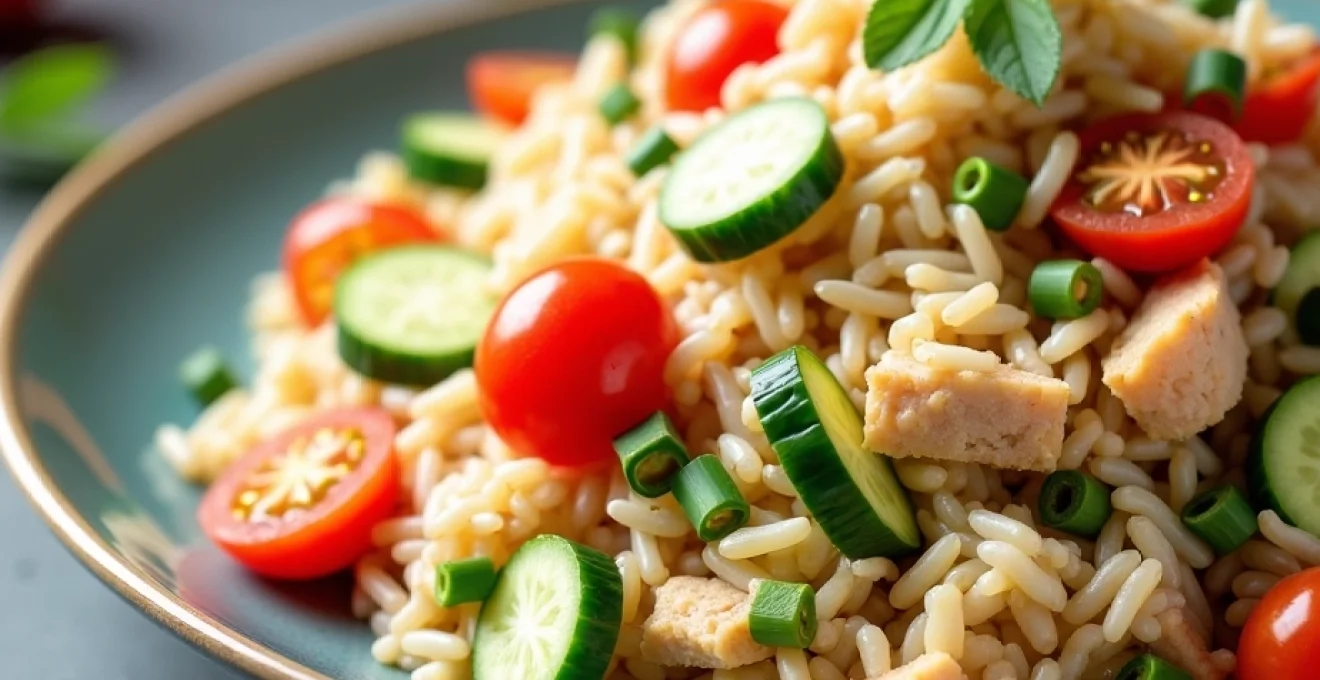
French cuisine is renowned for its rich flavours and sophisticated techniques, but it also offers a treasure trove of light, refreshing dishes perfect for everyday meals. Among these, French rice salads stand out as a versatile and nutritious option that combines the best of Mediterranean ingredients with the satisfying texture of perfectly cooked rice. These salads are not only delicious but also offer a balanced meal that can be easily adapted to suit various dietary needs and preferences.
Rice salads in French cuisine are more than just a simple side dish; they’re a culinary canvas that allows for creativity and personalization. Whether you’re looking for a quick lunch option, a crowd-pleasing potluck contribution, or a light dinner on a warm summer evening, French rice salads offer a solution that’s both satisfying and healthful. Let’s delve into the world of these delightful dishes and discover how you can incorporate them into your regular meal rotation.
Nutritional profile of french rice salad components
The beauty of French rice salads lies not just in their taste but also in their nutritional value. These salads typically combine complex carbohydrates from rice with a variety of vegetables, proteins, and healthy fats, creating a well-rounded meal that provides sustained energy and essential nutrients.
Rice, the foundation of these salads, is an excellent source of energy-providing carbohydrates. Depending on the variety used, it can also offer additional benefits. For instance, brown rice provides more fibre and nutrients compared to white rice, contributing to better digestive health and prolonged satiety.
Vegetables, a crucial component of French rice salads, bring a wealth of vitamins, minerals, and antioxidants to the dish. Tomatoes, for example, are rich in lycopene, while bell peppers offer high amounts of vitamin C. Cucumbers add a refreshing crunch and are hydrating due to their high water content.
Proteins, often in the form of lean meats, fish, or legumes, contribute essential amino acids necessary for muscle repair and overall body function. These proteins also help to keep you feeling full for longer periods, making rice salads an excellent choice for those managing their weight.
The dressings used in French rice salads, typically based on olive oil, provide heart-healthy monounsaturated fats. These fats are not only beneficial for cardiovascular health but also aid in the absorption of fat-soluble vitamins from the vegetables in the salad.
Essential ingredients for authentic french rice salads
To create an authentic French rice salad, certain key ingredients are essential. These components not only contribute to the characteristic flavour profile but also ensure that the salad remains true to its culinary roots. Let’s explore the fundamental elements that make up a genuine French rice salad.
Long-grain rice varieties: basmati vs. jasmine
The choice of rice is crucial in creating the perfect texture for your salad. Long-grain varieties are typically preferred for their ability to remain separate and fluffy after cooking. Basmati and jasmine rice are two popular options, each bringing its own unique characteristics to the dish.
Basmati rice, with its aromatic quality and slender grains, offers a light and fluffy texture that’s ideal for salads. It has a slightly nutty flavour that complements a wide range of ingredients. Jasmine rice, on the other hand, has a more delicate floral aroma and a slightly stickier texture when cooked, which can add an interesting dimension to your salad.
When choosing between these two, consider the other ingredients in your salad. Basmati might be preferable for salads with bolder flavours, while jasmine could work well with more subtle, aromatic components.
Mediterranean vegetable selection: tomatoes, cucumbers, bell peppers
The vegetable selection in French rice salads often reflects the vibrant produce of the Mediterranean region. Tomatoes, cucumbers, and bell peppers are staple ingredients that bring colour, texture, and freshness to the dish.
Tomatoes add a juicy sweetness and a burst of umami flavour. Cherry tomatoes are particularly popular for their convenience and aesthetic appeal. Cucumbers provide a cool, crisp texture and a subtle flavour that balances richer ingredients. Bell peppers, with their various colours, not only add visual appeal but also a sweet crunch and a wealth of vitamins.
These vegetables should be cut into bite-sized pieces to ensure easy eating and even distribution throughout the salad. The key is to maintain a balance of flavours and textures, allowing each ingredient to complement the others without overpowering them.
Protein sources: tuna, chicken, and legumes
Protein is an essential component of French rice salads, transforming them from a side dish into a complete meal. Tuna is a classic choice, often used in its canned form for convenience and a rich, savoury flavour. It pairs particularly well with Mediterranean vegetables and adds a dose of heart-healthy omega-3 fatty acids.
Chicken, either grilled or poached, is another popular protein option. It offers a mild flavour that doesn’t overpower the other ingredients and can be seasoned to complement the overall flavour profile of the salad.
For vegetarian or vegan versions, legumes such as chickpeas or lentils are excellent alternatives. They provide plant-based protein and fibre, contributing to the salad’s nutritional value and adding a pleasant texture.
Herbs and aromatics: parsley, chives, and tarragon
Fresh herbs are the secret to elevating a French rice salad from good to exceptional. They add depth of flavour, aroma, and a touch of elegance to the dish. Parsley is perhaps the most commonly used herb in French rice salads, offering a clean, slightly peppery taste that brightens the overall flavour profile.
Chives provide a mild onion-like flavour and add a delicate visual element with their slender green stems. They work particularly well in salads featuring seafood or chicken.
Tarragon, with its distinctive anise-like flavour, is a quintessentially French herb that can add a sophisticated touch to your rice salad. It pairs beautifully with chicken and can transform a simple salad into something truly special.
When using herbs, it’s important to chop them finely and add them just before serving to preserve their flavour and vibrant colour. The combination of these herbs not only enhances the taste but also adds to the visual appeal of the salad.
French vinaigrette techniques for rice salads
The dressing is a crucial element in French rice salads, tying all the ingredients together and infusing the dish with flavour. French vinaigrettes are known for their perfect balance of acidity, oil, and seasonings. Mastering the art of creating these dressings can elevate your rice salad from ordinary to extraordinary.
Classic dijon Mustard-Based dressings
A classic French vinaigrette often starts with Dijon mustard as its base. This pungent condiment not only adds flavour but also acts as an emulsifier, helping to bind the oil and vinegar together. To create a basic Dijon vinaigrette, whisk together one tablespoon of Dijon mustard with three tablespoons of vinegar (white wine or red wine vinegar work well). Slowly drizzle in about half a cup of extra virgin olive oil while whisking continuously to create an emulsion.
This basic dressing can be customized by adding minced shallots, herbs, or a touch of honey for sweetness. The key is to taste and adjust the proportions to achieve a balance that complements your rice salad ingredients without overpowering them.
Citrus-infused olive oil vinaigrettes
For a lighter, fresher take on the classic vinaigrette, citrus-infused dressings are an excellent choice. These work particularly well with rice salads featuring seafood or light vegetables. To create a citrus vinaigrette, combine the zest and juice of a lemon or orange with olive oil, a touch of honey, and a pinch of salt.
The ratio of citrus juice to oil should be about 1:3, but this can be adjusted based on personal preference and the other ingredients in your salad. For an extra layer of flavour, consider adding a small amount of finely minced fresh herbs like basil or mint.
Herb-infused dressings: Provence-Inspired blends
Herb-infused dressings capture the essence of Provençal cuisine and can transform a simple rice salad into a aromatic delight. To create a Provence-inspired dressing, start with a base of olive oil and vinegar, then add a mixture of finely chopped herbs such as thyme, rosemary, basil, and oregano.
For an authentic touch, consider incorporating herbes de Provence , a dried herb blend that typically includes savory, marjoram, rosemary, thyme, and oregano. Allow the herbs to infuse the oil for at least an hour before using to fully develop their flavours.
Remember that when using herb-infused dressings, a little goes a long way. Start by adding small amounts to your rice salad and adjust to taste, ensuring that the delicate flavours of your other ingredients are not overwhelmed.
Preparation methods for optimal texture and flavour
The success of a French rice salad lies not just in the quality of ingredients but also in the preparation techniques used. Proper methods ensure that each component contributes its best texture and flavour to the overall dish. Let’s explore some key preparation techniques that can elevate your rice salad from good to exceptional.
Rice cooking techniques: absorption vs. boiling method
The way you cook your rice can significantly impact the final texture of your salad. Two primary methods are commonly used: the absorption method and the boiling method.
The absorption method involves cooking rice with a precise amount of water, typically in a ratio of 1:2 (rice to water). This method allows the rice to absorb all the water, resulting in perfectly cooked grains that are separate and fluffy. It’s ideal for varieties like basmati or jasmine rice.
The boiling method, similar to cooking pasta, involves cooking rice in a large amount of salted water and then draining it. This method can be useful for preventing overcooking and works well for varieties that tend to become sticky.
Whichever method you choose, it’s crucial to rinse the rice before cooking to remove excess starch, which can lead to gumminess. After cooking, allow the rice to cool completely before incorporating it into your salad to prevent it from becoming mushy.
Vegetable cutting styles: brunoise, julienne, and chiffonade
The way you cut your vegetables can significantly impact both the texture and visual appeal of your rice salad. French cuisine employs several classic cutting techniques that you can use to elevate your dish:
- Brunoise : This technique involves dicing vegetables into very small, uniform cubes (about 1/8 inch). It’s perfect for ingredients like bell peppers or carrots, allowing them to distribute evenly throughout the salad.
- Julienne : This cut produces thin, matchstick-like strips. It’s ideal for vegetables like cucumbers or zucchini, adding an elegant touch to your salad.
- Chiffonade : Used primarily for leafy herbs and greens, this technique involves stacking leaves, rolling them tightly, and then slicing them into thin ribbons. It’s perfect for herbs like basil or larger leaves like spinach.
Consistency in your cutting style not only improves the salad’s appearance but also ensures that flavours are evenly distributed and that each bite contains a perfect balance of ingredients.
Marination processes for enhanced flavour integration
Marination is a powerful technique for infusing flavours into your rice salad components. For proteins like chicken or tuna, a brief marination period can significantly enhance their taste and juiciness. A simple marinade of olive oil, lemon juice, garlic, and herbs can work wonders.
Even vegetables can benefit from a short marination. Tossing diced tomatoes or cucumbers with a bit of salt and letting them sit for 15-20 minutes can draw out excess water and concentrate their flavours. This process, known as maceration , can also be applied to onions to mellow their sharpness.
For the rice itself, consider tossing it with a small amount of your dressing while it’s still warm. This allows the grains to absorb the flavours more effectively, resulting in a more cohesive and flavourful salad.
Regional french rice salad variations
France’s diverse culinary landscape offers a variety of regional rice salad variations, each reflecting the local ingredients and cultural influences of its origin. These regional adaptations showcase the versatility of rice salads and provide inspiration for creating your own unique combinations.
Niçoise-style rice salad with anchovies and olives
Inspired by the famous Salade Niçoise from the French Riviera, this variation incorporates the bold flavours of the Mediterranean coast. The salad typically includes rice as a base, complemented by classic Niçoise ingredients such as tuna, hard-boiled eggs, olives, and anchovies.
To create this salad, start with a base of cooled long-grain rice. Add flaked tuna, quartered hard-boiled eggs, halved cherry tomatoes, and sliced black olives. The distinctive touch comes from adding chopped anchovies, which provide a salty depth of flavour. Dress the salad with a vinaigrette made from olive oil, red wine vinegar, and Dijon mustard, then garnish with fresh basil leaves for a true taste of the South of France.
Provençal rice salad with ratatouille vegetables
This variation draws inspiration from the sun-drenched region of Provence, known for its abundant use of fresh vegetables and aromatic herbs. The key to this salad is incorporating elements of ratatouille, a classic Provençal vegetable stew, into a rice-based dish.
Begin with a base of cooled rice, preferably a variety that complements the robust flavours of the vegetables. Sauté diced eggplant, zucchini, bell peppers, and onions in olive oil until tender and lightly caramelized. Allow these to cool before gently folding them into the rice along with fresh tomatoes and a handful of chopped basil and thyme.
The dressing for this salad should be light and herbaceous, perhaps incorporating herbes de Provence for an authentic touch. A splash of good quality red wine vinegar will add brightness to balance the richness of the roasted vegetables.
Basque-inspired rice salad with piment d’espelette
The Basque region, straddling the border between France and Spain, offers a unique culinary perspective that can be wonderfully translated into a rice salad. The star ingredient here is Piment d’Espelette , a mild chili pepper that’s a cornerstone of Basque cuisine.
For this variation, start with a base of rice mixed with diced Bayonne ham or chorizo for a smoky flavour. Add roasted red peppers, cherry tomatoes, and sautéed onions. The dressing should include olive oil, sherry vinegar, and a pinch of Piment d’Espelette for a subtle heat and distinctive flavour.
Garnish the salad with chopped parsley and a sprinkle of additional Piment d’Espelette for both flavour and visual appeal. This salad offers a perfect balance of smoky, spicy, and fresh flavours that capture the essence of Basque cuisine.
Meal planning and storage solutions for french rice salads
French rice salads are not only delicious but also incredibly practical for meal planning and batch cooking. With the right preparation and storage techniques, you can enjoy these versatile
salads for several days. Here’s how you can incorporate these delightful dishes into your meal planning routine and ensure they stay fresh and delicious.
Batch preparation techniques for weekly meal prep
Preparing rice salads in batches is an efficient way to ensure you have healthy meals ready throughout the week. Start by cooking a large quantity of rice at the beginning of the week. Once cooled, divide it into portions for different salads.
Chop vegetables and herbs in advance, storing them separately in airtight containers. This not only saves time but also keeps ingredients fresh. For proteins like chicken or tuna, cook or prepare them in bulk and refrigerate until needed.
Consider creating a “salad bar” in your refrigerator with pre-prepared components. This allows for easy assembly and variety throughout the week. You can mix and match ingredients to create different salads each day, preventing boredom and ensuring a diverse nutrient intake.
Proper storage methods to maintain freshness
Proper storage is crucial for maintaining the quality and safety of your rice salads. Store the cooked and cooled rice in an airtight container in the refrigerator. It’s best to use it within 3-4 days for optimal freshness and food safety.
Keep dressings separate from the salad ingredients until ready to serve. This prevents the salad from becoming soggy and extends its shelf life. Store dressings in small jars or containers in the refrigerator.
For vegetables, consider using moisture-absorbing paper towels in their storage containers to keep them crisp. Herbs can be stored wrapped in slightly damp paper towels in a plastic bag to maintain their freshness.
Reheating and serving suggestions for optimal taste
While French rice salads are typically served cold or at room temperature, there might be instances where you want to reheat certain components. If reheating is necessary, do so gently to avoid overcooking the rice or vegetables.
For the best flavor, remove the salad from the refrigerator about 15-20 minutes before serving to take the chill off. This allows the flavors to become more pronounced. Just before serving, give the salad a gentle toss and add a drizzle of fresh dressing to revive the flavors.
Consider adding a fresh element when serving, such as a sprinkle of chopped herbs or a squeeze of lemon juice. This can brighten up the salad and make it taste freshly made, even if it was prepared days in advance.
By following these meal planning and storage techniques, you can enjoy delicious and nutritious French rice salads throughout the week, making healthy eating both convenient and enjoyable.